Christmas magic for kids: Why children can dream again this Christmas
Christmas magic for kids is easy to set up at home and powerful in its effect. A short light show. A cozy story. A child who breathes a little deeper and smiles a little wider. This is not about big budgets. It is about choosing simple tools and using them with heart. If you want to help your kids believe in small wonders again, start with three things: warm light, a clear story, and a quiet pause to watch. These elements work like a tiny ceremony. They tell the brain that something safe and special is happening. And that changes how a child feels and remembers the day.
Warum Fantasie zählt: Psychologie in einfachen Worten
Christmas magic for kids taps straight into how children learn and heal. Play and imagination are not optional. They are the way kids test the world. When a child imagines, they try on feelings. They practice kindness. They work through fears. Light and projection add a gentle, visible frame to that practice. A projected star. A moving silhouette. These cues ask the brain to slow down and follow. Parents often worry about sugar or screen time. But short, guided projection moments are different. They are calm. They are shared. They invite a conversation without pressure.
From a psychological view, repetition builds safety. When a family repeats a small ritual, children learn to expect comfort. This forms stable memories. In turn, those memories become anchors in hard moments. You do not need to stage a show. You need consistency. A two-minute projection before bed, a five-minute story beside the lights, a gentle question about what the child saw — these are powerful. They teach attention and reduce anxiety. They also let kids practise narrative skills. Making up a story about a glowing snowman helps a child organise thoughts. It helps them put words to feelings. And that is a skill they carry into school and friendship.
Licht und Projektionen: Die Bühne für kleine Wunder
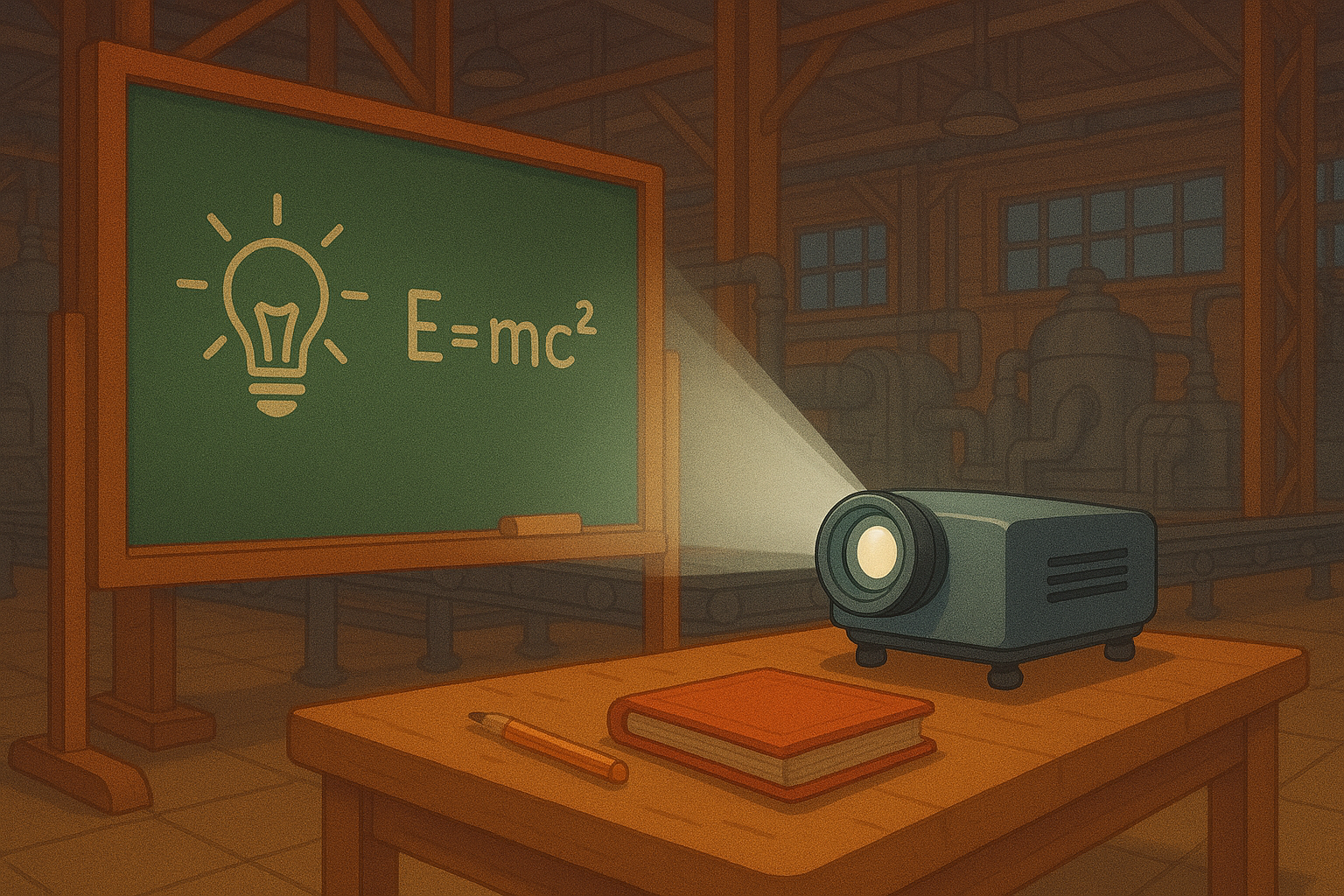
Christmas magic for kids works best when light tells part of the story. Use warm tones. Keep the brightness low. Aim for soft contrasts rather than sharp flashes. A projector that casts slow moving snowflakes or a lantern with patterned slides can change a room into a quiet stage. The movement draws the eye without overwhelming it. That gentle focus helps children leave the day’s rush. It invites curiosity. If you choose a projection with a theme, make it part of the story. Tell the child that each snowflake carries a tiny note. Ask what the note might say. These simple prompts turn passive watching into active imagining.
Practical setup is simple. Place the projector at a safe distance. Use a plain wall or a light sheet as a screen. Dim other lights. Sit with your child and narrate what you see. Let them name colours and shapes. Keep sentences short and vivid. If you want to extend the moment, add a soundscape. Low ambient music or the crackle of a fireplace works well. Keep volume low so the voice stays central. The goal is connection. Light and story should guide the child to you, not away from you. That way the visual effects become tools to share wonder, not distractions.
Geschichten weben und Rituale schaffen
Christmas magic for kids becomes memory when story and ritual meet. Choose a small story that matches your child’s age. Make it repeatable. A three-sentence tale told the same way each night creates a calm rhythm. For example: a tiny lantern lost its glow, a child helped it find light by sharing a smile, the lantern returned to the sky as a star. Repeat the tale and change small details. Let your child fill in parts. Ask them what the star should wish for tonight. These tiny choices build agency. They make the child feel part of the magic.
Rituals do not need to be long. A simple sequence works best: dim lights, switch on projection, tell the two-minute story, ask a wonder question, blow a soft breath together, then turn off the projection and tuck in. Short rituals can be done even on busy nights. They are reliable anchors. Over weeks, these anchors form a stable thread through the holiday season. Children begin to look forward to the moment. They bring their own ideas. That creative exchange strengthens emotional bonds. It also shows kids how to build comfort with imagination. They learn that wonder has rules and safety. That keeps fantasy nourishing instead of confusing.
Praktische Ideen für zuhause: Projekte, die leicht gelingen
Christmas magic for kids can be crafted with everyday items. Use a mobile phone projector or a small LED projector with holiday slides. Cut simple shapes from black paper and tape them to a lamp for silhouette stories. Place fairy lights behind a translucent curtain for a soft star field. These setups cost little and are easy to change. Start with one scene and tweak it. Test what calms your child. Some kids prefer slow motion. Others like gentle bursts. Watch and adapt.
Here are three quick scenes you can try tonight. Scene one: projector snow with a short story about a snowflake that visits the house. Scene two: silhouette forest cast on a sheet with animal sounds and a prompt to name each animal’s favourite food. Scene three: cosy corner with a string of warm lights and a ‘wish box’ where kids draw a wish and tuck it in. Each scene lasts five minutes. Each scene ends with a quiet breath. Keep a small jar of cinnamon sticks or a mug of warm milk to add a sensory cue. These cues help the child link the moment to comfort. Over time, the child will associate the lights and story with calm and delight.
Sichere Technik, sanfte Übergänge und Abschied vom Trubel
Christmas magic for kids is safe when you plan simple steps. Always secure cables and keep devices out of little hands. Use dim, warm light settings to avoid overstimulation. Time the projection to end before the child becomes tired or cranky. The final step matters as much as the show. Turn off the lights gently. Say one short, comforting sentence. A soft ‘goodnight’ pause will help the child move from wonder to rest. If you use a projector, give it a minute to cool or switch off the power strip rather than unplugging directly in front of a child. These small rituals of safety teach calm and respect for objects.
Make the whole experience predictable yet flexible. Let the child suggest a scene every second night. Keep a small box of props by the projector. Rotate themes so the ritual stays fresh but familiar. And remember to breathe. Your calm matters most. When you sit with your child and watch light move across the wall, you model attention. You show them how to slow down and wonder. Those moments are the heart of why children should be allowed to dream at Christmas. They are short. They are simple. And they last in ways that matter.
Popular projections